Battle Belt IFAK Guide for Comfort, Speed, and Accessibility
A well-organized battle belt with a dependable IFAK can improve readiness, mobility, and confidence during demanding situations. The right setup supports quick access to medical essentials while maintaining comfort during extended wear. Careful placement, balanced weight distribution, and easy accessibility all contribute to a more efficient and reliable configuration.
Prioritize Proper Belt Fit
Comfort begins with a secure and supportive fit. A battle belt should remain stable without causing pressure or restricting movement.
Important Fit Features
- Adjustable sizing for a snug feel
- Lightweight construction to reduce fatigue
- Padded inner lining for added comfort
- Secure fastening system to prevent shifting
- Flexible design that allows natural movement
A properly fitted belt helps maintain balance while walking, kneeling, or moving quickly. Excessive movement or poor adjustment can slow response time and reduce comfort.
Choose the Right IFAK Placement
Accessibility is one of the most belt ifak important aspects of an effective setup. The IFAK should remain easy to reach from different positions.
Ideal Placement Tips
- Position the pouch where both hands can reach it
- Avoid locations blocked by other gear
- Keep the pouch clear of bulky attachments
- Ensure the medical kit can be removed quickly
- Test accessibility while standing and crouching
Rear and side positions are commonly preferred because they allow quick retrieval without interfering with movement.
Keep the Setup Lightweight
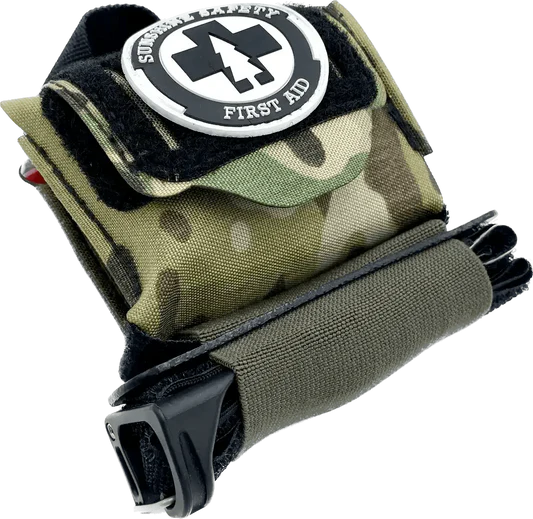
Overloading a battle belt can reduce mobility and increase discomfort. Carry only essential medical and support items that serve a clear purpose.
Common Essential Items
- Tourniquet
- Compression bandage
- Medical gloves
- Trauma shears
- Gauze rolls
- Chest seals
- Marker for emergency notes
A compact and organized setup improves speed while preventing unnecessary strain during long periods of wear.
Improve Speed with Smart Organization
The internal arrangement of an IFAK plays a major role in emergency response efficiency. Organized gear helps reduce confusion during high-pressure situations.
Organization Strategies
- Place frequently used items near the opening
- Use elastic loops for secure storage
- Separate medical tools by category
- Avoid overstuffing compartments
- Keep supplies visible and easy to identify
Quick access to critical equipment can save valuable time when immediate action is needed.
Focus On Mobility and Balance
Balanced weight distribution improves comfort and reduces fatigue. Heavy items positioned unevenly may cause discomfort and slower movement.
Ways to Maintain Balance
- Spread equipment evenly across the belt
- Keep heavier tools near the center
- Remove unnecessary accessories
- Test movement during walking and bending
- Adjust placement based on personal preference
A balanced setup supports smoother movement and better overall performance.
Train with Your Configuration
Regular practice helps improve familiarity and response speed. Even a well-designed setup becomes more effective when paired with consistent training.
Helpful Practice Ideas
- Perform quick-access drills
- Repack the IFAK after each session
- Practice retrieving supplies with either hand
- Test the setup while wearing gloves
- Adjust the belt after movement exercises
Frequent practice also reveals areas that may need repositioning or better organization.
A reliable battle belt IFAK setup should combine comfort, speed, and accessibility without adding unnecessary bulk. Proper fit, balanced weight, smart organization, and regular practice all contribute to a dependable configuration. A streamlined setup allows faster response, greater mobility, and improved confidence in critical situations.