Integrating Photovoltaic-Assisted Drying Panels into Aluminum Frame Systems
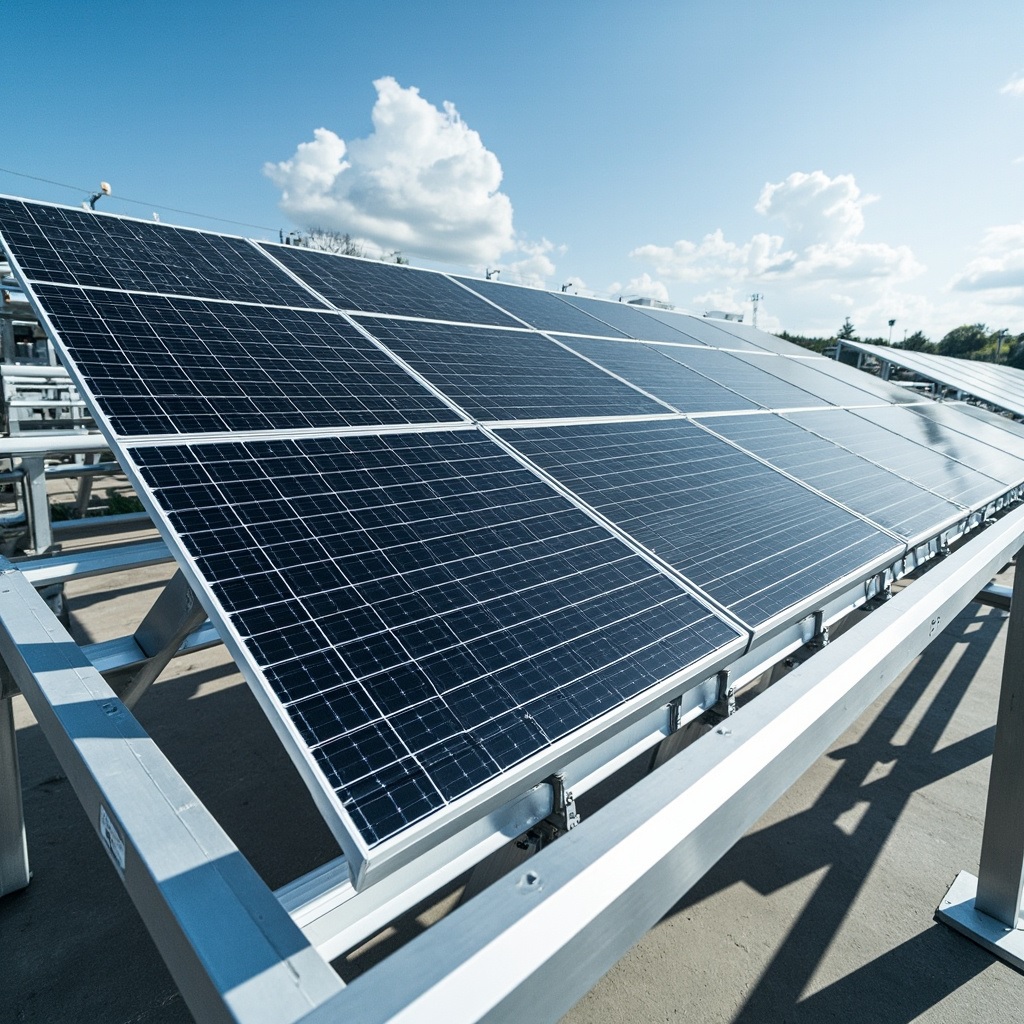 Here is the hard truth: the sun is free, but most industrial drying processes are still burning cash and fossil fuels. You are running a system that heats air, circulates it, and extracts moisture. It works, but it bleeds energy. Now imagine capturing that same sunlight—the one beating down on your factory roof—and turning it directly into the heat source for your drying operation. That is the promise of integrating photovoltaic-assisted Aluminum Alloy Clothes Drying frame systems. And it is not a futuristic fantasy; it is a retrofit that pays for itself faster than you think.
Why aluminum frames? Because they are the silent workhorses of modern construction. They are lightweight, corrosion-resistant, and structurally rigid. When you mount photovoltaic-assisted drying panels onto an aluminum framework, you are not just bolting on a solar collector. You are creating a hybrid system that leverages the frame’s thermal conductivity to distribute heat evenly. The aluminum itself becomes a heat sink, absorbing excess thermal energy from the panels and radiating it into the drying chamber. No wasted BTUs. No hot spots. Just consistent, low-cost drying.
The real advantage here is dual harvesting. Standard photovoltaic panels generate electricity. That is fine. But photovoltaic-assisted drying panels are designed to capture both electrical energy and thermal energy. The panel surface heats up, and instead of letting that heat dissipate into the atmosphere, we duct it directly into your drying process. The aluminum frame system acts as the backbone—supporting the panels, routing the airflow, and managing the thermal transfer. You get electricity to run your fans and controls, plus hot air to dry your product. Two outputs from one installation.
Let us talk numbers. A typical industrial drying setup can consume up to 40% of a facility’s total energy. By integrating these panels into an aluminum frame system, you can offset between 30% and 60% of that thermal load, depending on your geographic location and drying temperature requirements. The aluminum frames are modular, so you can scale the system as your production grows. No tearing down walls. No massive structural overhauls. You bolt the frames onto existing rooftops or ground mounts, connect the ducting, and start drying.
Critics will say that solar is intermittent. They are right. But here is the twist: the aluminum frame system allows for easy integration with thermal storage. You can embed phase-change materials or simple water tanks within the frame structure itself. During peak sun hours, you store excess heat. During cloudy periods or night shifts, you draw from that stored energy. The drying process never stops. The system becomes a buffer, not a bottleneck.
Maintenance is another win. Aluminum does not rust. It does not warp under moderate thermal loads. The panels themselves are sealed and require minimal cleaning. Compared to traditional gas-fired dryers with their burners, filters, and exhaust stacks, this setup is almost boringly reliable. Less downtime. Fewer replacement parts. Lower labor costs.
If you are still running a conventional drying line, you are leaving money on the table. The integration of photovoltaic-assisted drying panels into aluminum frame systems is not a niche experiment. It is a proven, scalable solution that turns your energy bill into a profit center. The sun is not going anywhere. Your aluminum frame is ready. The only question left is: how long will you wait to plug in?