Sustainable Remediation Strategies Support Responsible Property Development Goals
Responsible property development combines environmental protection, thoughtful planning, and long-term sustainability. Sustainable remediation strategies help achieve these objectives by addressing environmental concerns while supporting productive land use and responsible construction practices. Through carefully designed solutions, property developers can improve site conditions, encourage resource conservation, and create valuable opportunities for future development. Integrating environmental considerations into remediation planning also supports healthier surroundings and stronger long-term property value.
Environmentally Responsible Remediation Enhances Development
Sustainable remediation focuses on improving environmental conditions while considering the long-term impact of project activities. Appropriate assessment and carefully selected treatment methods help create suitable foundations for responsible property development.
- Evaluate existing environmental conditions before development begins.
- Identify suitable remediation approaches for individual site requirements.
- Prioritize methods that minimize environmental disturbance.
- Support responsible land restoration and productive reuse.
- Incorporate sustainability considerations into project planning.
Resource Efficiency Encourages Sustainable Practices
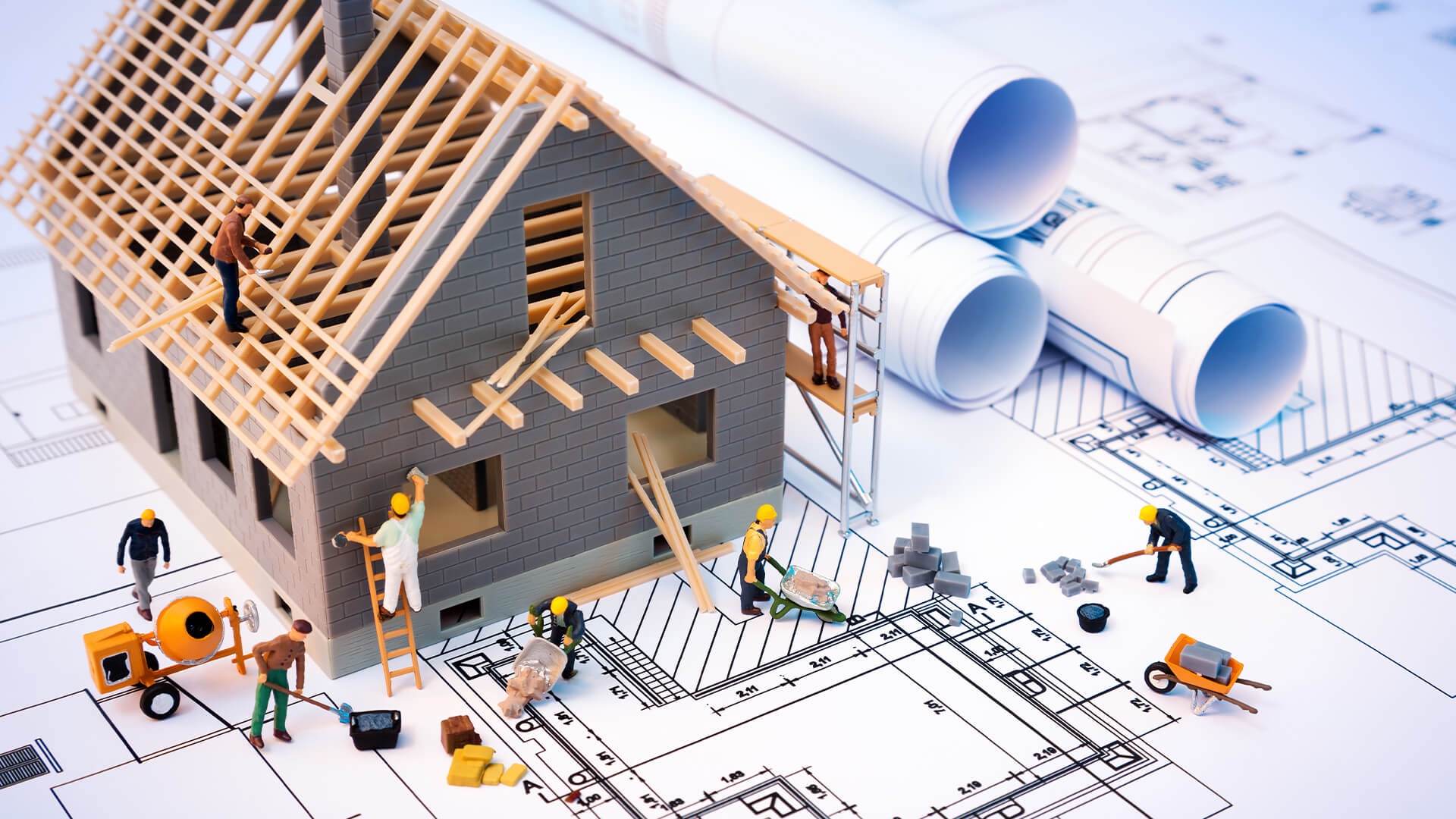
Efficient resource management plays an important role in environmentally responsible remediation. Selecting appropriate materials, reducing unnecessary transportation, and optimizing project activities can help limit resource consumption while supporting effective environmental improvements.
- Reduce unnecessary material consumption during remediation.
- Consider reusable and recyclable construction materials.
- Optimize transportation and equipment requirements.
- Encourage efficient energy and water management.
- Minimize waste through responsible handling practices.
Advanced Technologies Improve Remediation Performance
Modern remediation technologies provide valuable opportunities to address environmental challenges with greater precision. Carefully selected solutions can improve treatment efficiency, support informed decision-making, and help development teams achieve project objectives.
- Apply suitable soil treatment technologies for site conditions.
- Incorporate effective groundwater management solutions.
- Use environmental monitoring to evaluate remediation progress.
- Explore innovative treatment methods that support resource efficiency.
- Adapt remediation approaches according to project requirements.
Long Term Environmental Protection Supports Property Value
Successful remediation creates opportunities for improved land usability and responsible property development. Ongoing environmental management helps maintain project quality while supporting confidence among property owners, developers, and future occupants.
- Establish appropriate environmental monitoring programs.
- Maintain effective soil and groundwater management practices.
- Support healthier conditions across developed properties.
- Encourage responsible maintenance of restored areas.
- Consider long-term environmental performance during planning.
Professional Planning Strengthens Project Outcomes
Experienced environmental professionals help developers identify suitable remediation strategies and coordinate essential project activities. Their expertise supports informed decisions, effective implementation, and practical solutions that align environmental responsibilities with development objectives.
- Conduct comprehensive environmental site assessments.
- Develop customized remediation plans for specific conditions.
- Coordinate environmental activities with construction schedules.
- Evaluate treatment effectiveness through suitable monitoring.
- Maintain clear project documentation and compliance records.
Additional information about responsible environmental development approaches is available when you click here to explore relevant resources.
Sustainable Development Creates Lasting Opportunities
Sustainable remediation strategies bring environmental responsibility and property development together through practical planning, efficient resource management, and effective treatment solutions. By prioritizing environmental improvements and long-term performance, developers can transform properties into valuable spaces that support future growth. Thoughtful remediation ultimately contributes to healthier surroundings, responsible land use, and lasting development benefits for communities and future generations.