Supporting Reliable Operations With Timely Solenoid Valve Inspections
Solenoid valves contribute significantly to efficient fluid control by regulating the movement of liquids and gases through automated mechanisms. Regular inspections help maintain their responsiveness, accuracy, and overall operating quality. Understanding common performance indicators through https://www.vincervalve.com/solenoid-valve-failure-symptoms/ can help maintenance teams recognize areas that deserve attention. A planned inspection routine also supports equipment longevity, consistent production activities, and dependable system performance. Giving these components proper attention encourages smooth operations and promotes effective maintenance practices.
- Recognizing the Importance of Regular Inspections
Timely inspections provide valuable information about the condition of solenoid valves and their operating components. They help maintenance teams maintain consistent performance through simple preventive measures.
- Improved Responsiveness: Checking activation and deactivation helps confirm that valves respond correctly to electrical signals.
- Consistent Flow Control: Observing fluid movement supports accurate regulation across connected systems.
- Component Awareness: Inspecting internal and external parts helps maintain their intended functionality.
- Operational Stability: Routine assessments encourage dependable performance during regular operating cycles.
- Better Maintenance Planning: Inspection records make it easier to organize maintenance activities.
- Checking Essential Valve Components
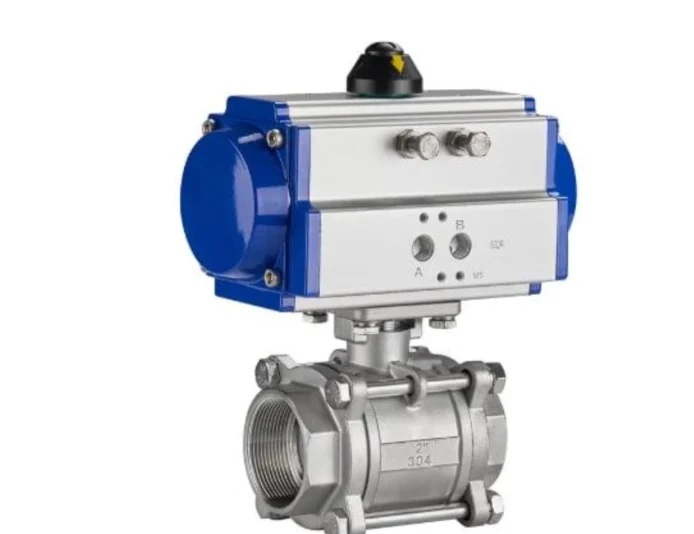
Every solenoid valve contains several components that contribute to its overall functionality. Examining these parts regularly supports reliable operation and helps maintain mechanical efficiency.
Important inspection areas include:
- Solenoid Coil: Check its physical condition and electrical connections.
- Plunger Movement: Confirm smooth movement during activation and release.
- Valve Seals: Examine sealing elements for proper positioning and condition.
- Spring Assembly: Ensure the spring maintains appropriate movement and return action.
- Valve Body: Inspect the external structure and connection points.
- Electrical Terminals: Verify secure connections for consistent power transmission.
- Monitoring Operating Conditions
Operating conditions influence how effectively a solenoid valve performs. Regular monitoring helps maintain suitable working environments and supports consistent flow management.
- Check pressure levels against the valve’s specified operating range.
- Monitor temperature conditions to maintain material compatibility.
- Observe flow rates to confirm consistent fluid movement.
- Examine fluid cleanliness to support clear internal passages.
- Verify that the electrical supply matches the required specifications.
- Review operating cycles to maintain appropriate activation frequency.
These observations help create favorable conditions for dependable valve functionality.
- Following Effective Preventive Maintenance Practices
A structured maintenance schedule encourages consistency and makes inspection activities easier to manage. Simple practices can contribute significantly to long-term equipment performance.
- Clean accessible valve surfaces regularly.
- Keep surrounding areas free from dust and debris.
- Check mounting arrangements for stability.
- Inspect wiring and protective insulation.
- Maintain suitable replacement seals and components.
- Document inspection observations for future reference.
- Follow recommended service intervals and operating guidelines.
- Building Long-Term Operational Reliability
Consistent inspection practices support better equipment management and encourage productive operations. Maintenance teams can improve their approach by prioritizing component condition, operating requirements, and timely servicing. Clear inspection records also support informed maintenance decisions and efficient resource planning.
Conclusion
Timely solenoid valve inspections play an important role in maintaining dependable flow control and smooth equipment operation. By examining essential components, monitoring operating conditions, and following preventive maintenance schedules, facilities can support consistent functionality and improved service life. A proactive approach encourages operational efficiency while helping maintenance teams maintain equipment quality. Exploring additional technical resources through https://www.vincervalve.com/de/ can also provide useful insights into valve applications and effective maintenance practices.