Muller Mixer or Intensive Mixer? Making the Right Choice for Your Production Line
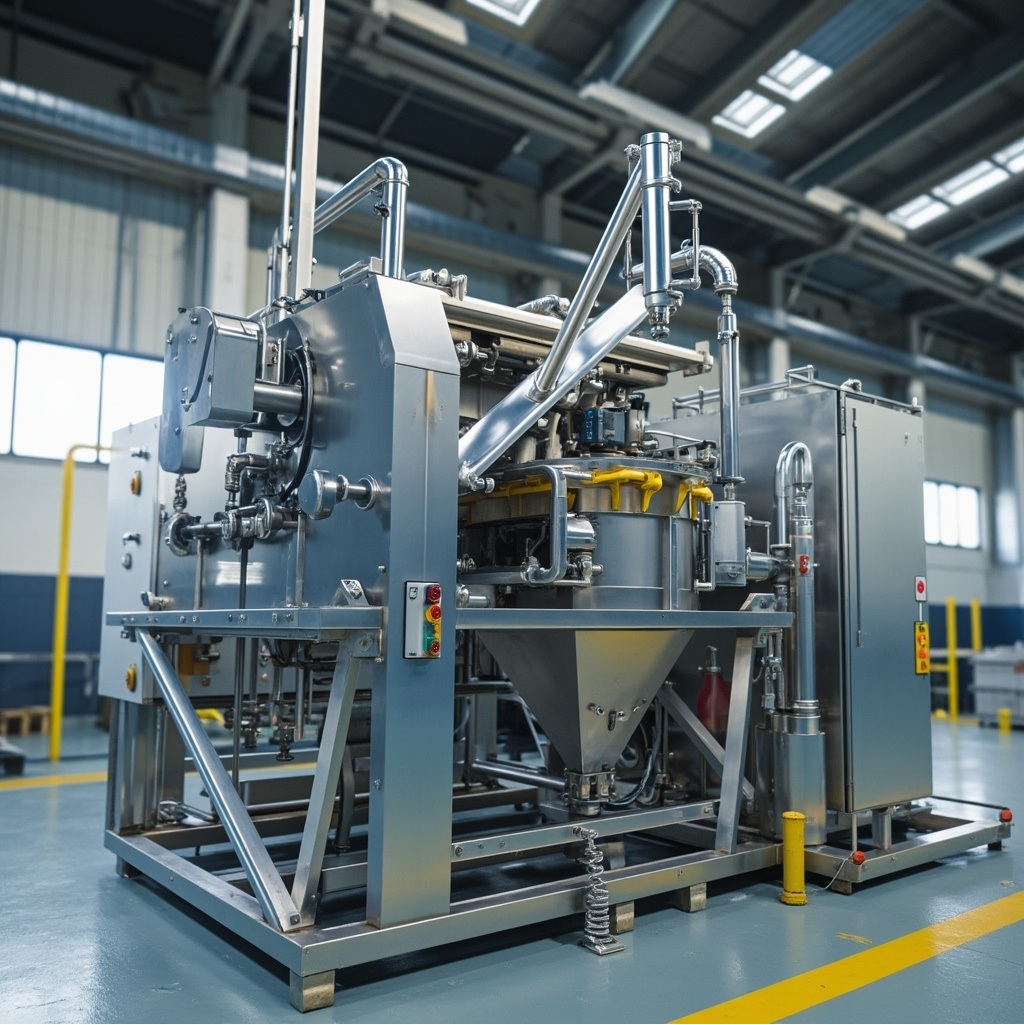 If you think choosing between a Muller mixer and an intensive mixer is just a matter of brand preference, you are about to waste a lot of money. I have seen plant managers stare at quotes for hours, flipping between specs, trying to decide which box of spinning metal will actually save their batch. The truth is, these two machines do not just mix differently; they think differently. And if your production line is currently limping along with the wrong one, you are paying for it in cycle time, energy bills, and rejected product.
Let me cut through the noise. A Muller mixer is the old workhorse. It relies on a heavy wheel and a rotating pan to crush and knead the material. It is slow, deliberate, and brutal. Think of it as a steamroller that also stirs. It works beautifully when you need to de-air, densify, and create a tight, homogeneous mass from dry or semi-dry refractory materials, foundry sands, or heavy ceramics. If your recipe demands that you physically break down agglomerates and force particles into intimate contact, the Muller is your machine. It does not care about speed. It cares about results.
Now, the intensive mixer. This is the scalpel to the Muller’s sledgehammer. An intensive mixer uses high-speed rotors and a counter-current pan to create a fluidized bed of material. It is fast, violent, and efficient. The particles are not crushed; they are thrown at each other. This creates a different kind of homogeneity, one that is ideal for wet mixes, pastes, and formulations where you need rapid coating or dispersion of binders. If your production line is running multiple batches per hour and you cannot afford to wait for a slow pan rotation, the intensive mixer is your only logical choice.
Here is the dirty secret that sales reps rarely tell you: the Muller mixer excels at one thing, but it punishes you for everything else. It is heavy. It requires a massive foundation. It chews through power because you are literally dragging a ton of metal through sand. And cleaning it between color changes or material shifts? Good luck. You will be chipping dried material out of the wheel track for an hour.
The intensive mixer, particularly models like the REFAMIX series, flips that script. Because the mixing tools are not dragging, they are spinning, the energy input is far more concentrated. You get a full batch in a fraction of the time. The wear parts are often easier to access. And because the mixing action is turbulent, you can introduce liquid binders mid-cycle without the material turning into a sticky ball of failure. That is a game changer for anyone making self-flowing castables or high-moisture mixes.
But do not get seduced by speed alone. If your material is abrasive and your goal is to create a dense, compacted green body, an intensive mixer can actually over-work the fines. It can generate heat. It can cause particle degradation. I have watched a plant switch from a Muller to an intensive mixer and suddenly see their porosity numbers spike. They blamed the machine. The machine was fine. They just asked it to do a job that required a slow crush, not a high-speed collision.
So how do you choose? Stop looking at the machine. Look at your material flow. If your batch cycle is currently bottlenecked by the mixing step, and you are running a wet or semi-wet formulation, go intensive. If your problem is that your mix is not dense enough, or you are fighting with air pockets, go Muller. But if you want a hybrid solution that gives you the best of both worlds, look at the REFAMIX intensive mixers that are designed with variable speed rotors and adjustable pan speeds. They allow you to dial in a “Muller-like” crushing action at low speed and then switch to a high-speed dispersion phase. That is not cheating. That is being smart.
The wrong mixer will cost you a year of production before you admit the mistake. The right one will pay for itself in six months. Do not let a vendor sell you a machine based on what they have in stock. Let them sell you a solution based on what your material actually needs. And if they cannot explain the difference between a crushing action and a dispersive action, walk away. Your production line deserves a partner that understands physics, not just parts.